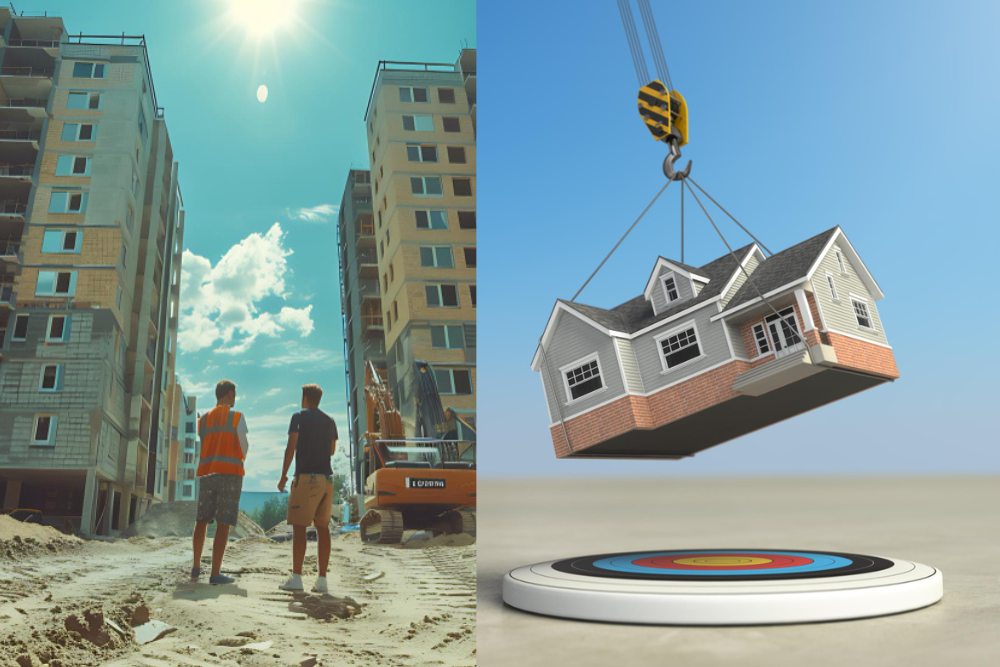
Buying a property is a major financial commitment, and one of the most common dilemmas buyers face is choosing between a ready-to-move home and an under-construction property. Both options come with their own advantages and risks. The right choice depends on your financial planning, urgency, risk tolerance, and long-term goals.
Understanding the differences clearly can help you make a confident and informed decision.
Understanding Ready-to-Move Properties
A ready-to-move property is fully constructed and available for immediate possession. You can physically inspect the apartment, check the surroundings, and evaluate construction quality before making a purchase.
One of the biggest advantages of ready-to-move homes is certainty. What you see is what you get. There is no waiting period, no construction risk, and no uncertainty about project completion. Buyers can shift immediately or start earning rental income without delay.
However, ready properties often come at a slightly higher price compared to under-construction projects. Since the project is complete, developers include construction and holding costs in the final price. Despite the higher cost, many buyers prefer this option because it reduces risk significantly.
Understanding Under-Construction Properties
Under-construction properties are projects that are still being built and will be delivered in the future. These properties are usually offered at lower prices during the early stages of development, which can make them attractive for investors and long-term planners.
One advantage of under-construction properties is flexible payment plans. Buyers often pay in stages based on construction progress. Additionally, there is potential for price appreciation by the time the project is completed.
However, there are risks involved. Construction delays, changes in layout, or project-related disputes can affect possession timelines. Buyers must carefully verify the developer’s track record and ensure the project is registered under RERA to reduce risks.
Financial Comparison
From a financial perspective, ready-to-move properties require full payment or loan disbursement at the time of purchase. There are no pre-EMI payments or waiting periods involved.
In contrast, under-construction properties may require smaller initial payments but can involve pre-EMI interest if you have taken a home loan. It is important to calculate total costs, including interest during the construction phase, before making a decision.
Risk and Stability Factors
If stability and immediate usage are your priorities, ready-to-move properties provide peace of mind. You can verify the quality, inspect amenities, and understand the neighborhood before finalizing.
Under-construction properties may offer better appreciation potential but require patience and trust in the developer. Buyers with flexible timelines and higher risk tolerance may benefit from this option.
Which Option Is Better for You?
If you need immediate possession, want zero uncertainty, and prefer safety over speculation, a ready-to-move property is generally the safer choice.
If you are investing for long-term appreciation, comfortable with waiting, and confident about the developer’s credibility, an under-construction property may provide better value.
The decision ultimately depends on your financial situation, urgency, and investment goals.
Conclusion
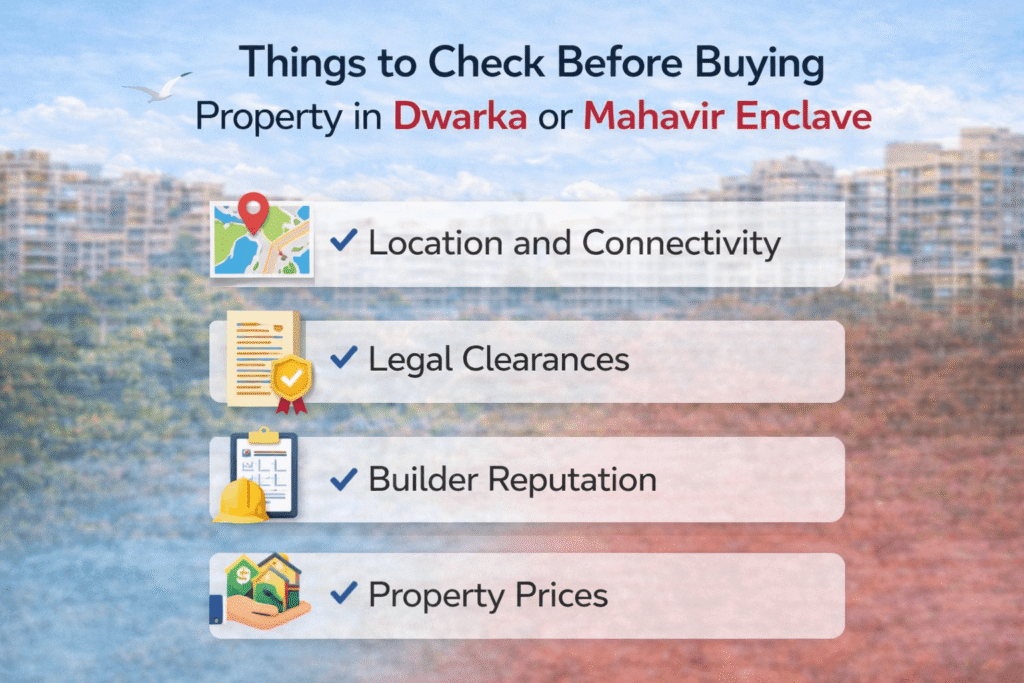
“Both ready-to-move and under-construction properties have their own advantages. While ready homes offer certainty and immediate possession, under-construction projects can provide better pricing and potential appreciation.Before deciding, evaluate your budget, verify legal approvals, research the developer’s history, and understand your timeline. A well-informed choice ensures long-term satisfaction and financial stability.”
Is buying an under-construction property risky?
It can carry some risk, especially if the developer has a poor track record. Verifying RERA registration and project approvals reduces risk significantly.
Do ready-to-move properties cost more?
Can I get a home loan for an under-construction property?
Yes, banks provide loans for approved projects, but repayment terms may differ during the construction period.
Which option is better for rental income?
Ready-to-move properties are better if you want to start earning rental income immediately.
How can I verify if a project is legally approved?
You should check RERA registration, approved building plans, and legal documentation before booking.