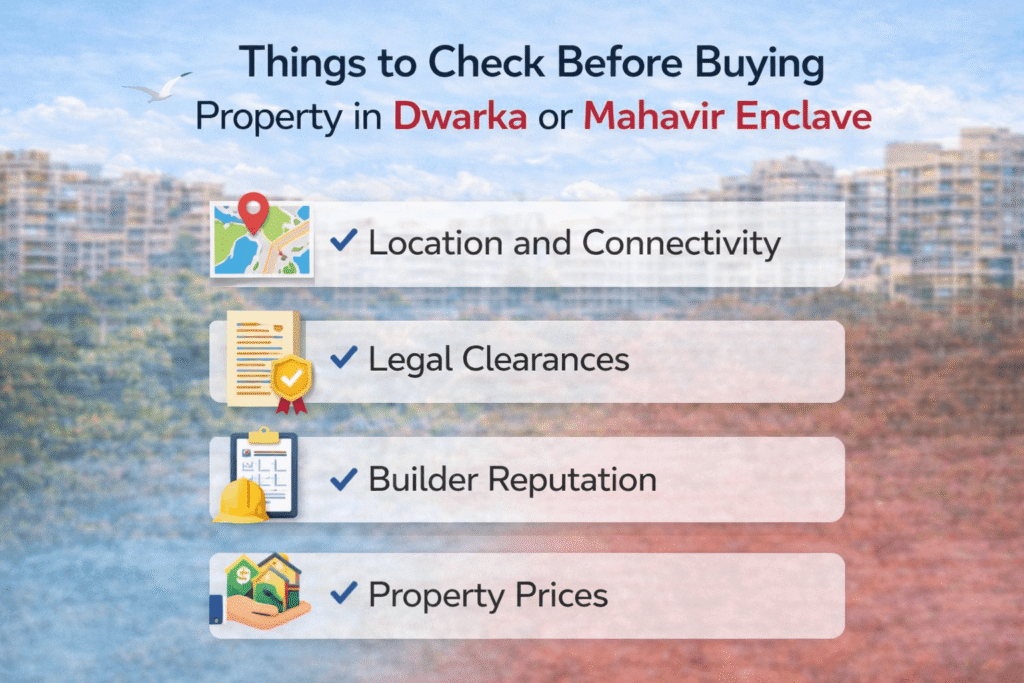

Buying a property is one of the biggest financial decisions in a person’s life. Whether it’s your first home or an investment property, making the right choice requires planning, research, and proper verification. Many buyers focus only on price and location, but there are several other critical factors that should never be ignored.
This complete checklist will help you avoid costly mistakes and make a confident property purchase.
Define Your Budget Clearly
Before browsing listings, calculate your total budget realistically. Consider:
- Down payment amount
- Home loan eligibility
- Registration & stamp duty charges
- Interior & furnishing costs
- Maintenance expenses
Always keep a buffer amount for unexpected costs. A smart budget prevents financial stress later.
Choose the Right Location
Location directly affects property value and lifestyle quality. Look for:
- Proximity to offices or business hubs
- Nearby schools, hospitals, and markets
- Public transport access
- Future infrastructure development
- Safety and neighborhood reputation
A good location ensures both comfort and strong resale value.
Verify Legal Documents
Never skip document verification. Important documents include:
- Title deed
- Sale agreement
- Approved building plan
- Completion certificate
- Occupancy certificate
- Property tax receipts
If needed, consult a legal expert before finalizing the deal.
Check Builder or Seller Reputation
If buying from a developer:
- Research past projects
- Check delivery timelines
- Read customer reviews
- Verify RERA registration
If buying from an individual seller, ensure ownership authenticity and clear property history.
Inspect the Property Physically
Photos can be misleading. Visit the property and inspect:
- Construction quality
- Plumbing & electrical fittings
- Ventilation and natural lighting
- Water supply
- Parking space
A physical inspection helps you understand the real condition of the property.
Evaluate Long-Term Value
Think beyond immediate needs. Ask yourself:
- Is this area likely to grow?
- Will rental demand increase?
- Does the property have resale potential?
Smart buyers always think long-term.
Understand Loan & EMI Structure
If taking a home loan:
- Compare interest rates
- Understand fixed vs floating rates
- Calculate EMI affordability
- Check prepayment charges
Financial clarity ensures smooth repayment.
Common Mistakes to Avoid
Many buyers:
- Rush into deals due to pressure
- Skip legal verification
- Ignore hidden charges
- Overstretch their budget
Taking time and doing proper research prevents regret.
Final Thoughts
“Buying a property is not just about owning a home — it’s about making a secure and smart investment. With proper research, document verification, and financial planning, you can confidently move forward with your purchase.If you're looking for verified property listings and transparent details, platforms like GharFinder help simplify your buying journey with structured information and trusted connections.”
What documents should I check before buying a property in India?
You should verify the title deed, sale agreement, approved building plan, occupancy certificate, completion certificate, and property tax receipts. If possible, consult a legal expert to ensure the property has a clear title and no legal disputes.
How much down payment is required to buy a property?
Most banks require 10%–25% of the property value as a down payment. The exact amount depends on your loan eligibility, credit score, and lender policies.
Is it better to buy an under-construction or ready-to-move property?
Under-construction properties are usually more affordable but come with possession risk. Ready-to-move properties are safer and allow immediate occupancy but may cost slightly more.
How do I check if a property is legally approved?
You can check the project’s RERA registration number (if applicable) and verify approvals from local municipal authorities. Reviewing building plans and legal documentation is essential before finalizing the purchase.
What hidden costs should I consider while buying a property?
Apart from the property price, consider registration charges, stamp duty, GST (if applicable), brokerage, maintenance deposits, interior costs, and loan processing fees.